


How unexpected film results reveal creativity beyond control
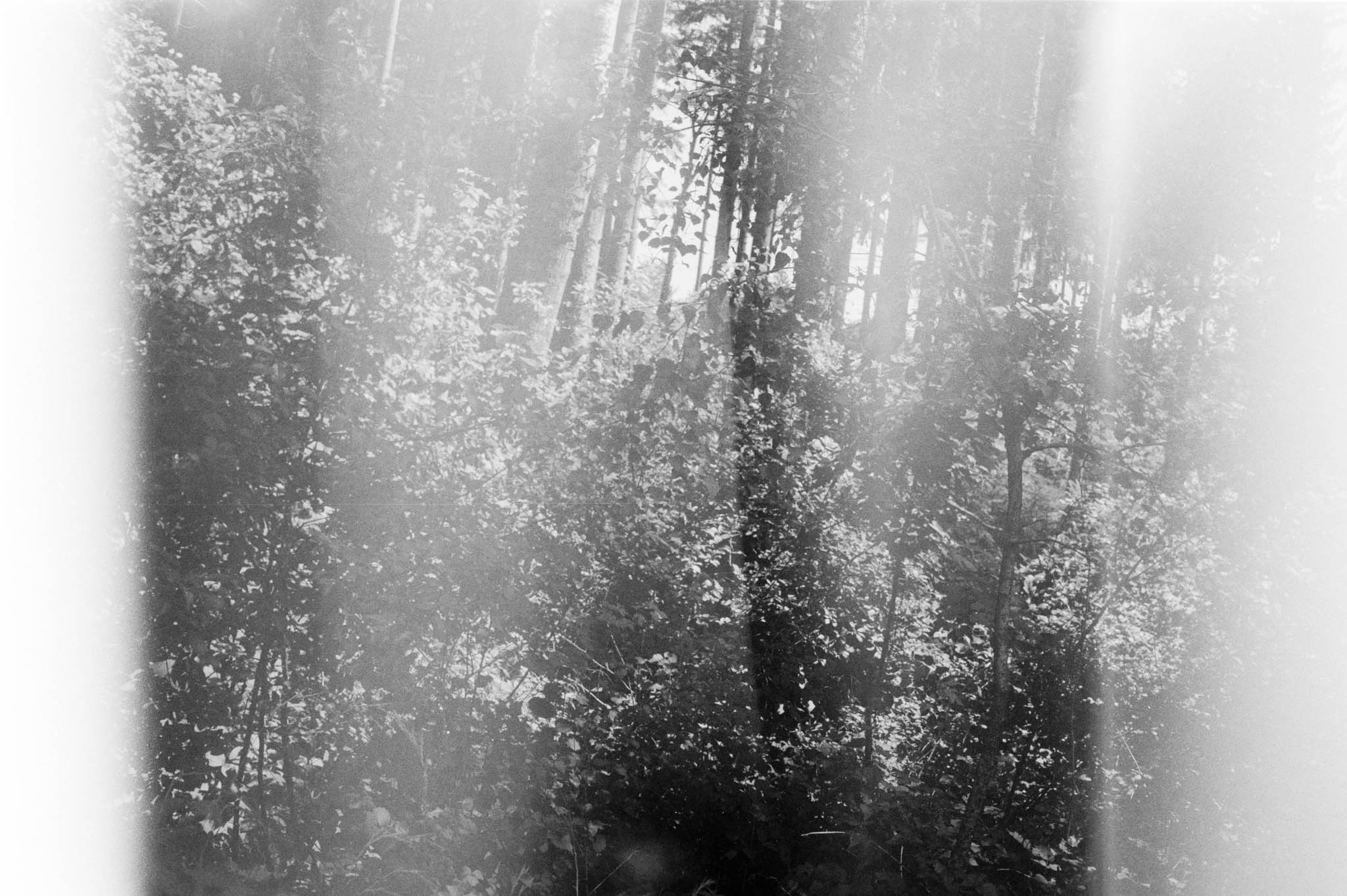
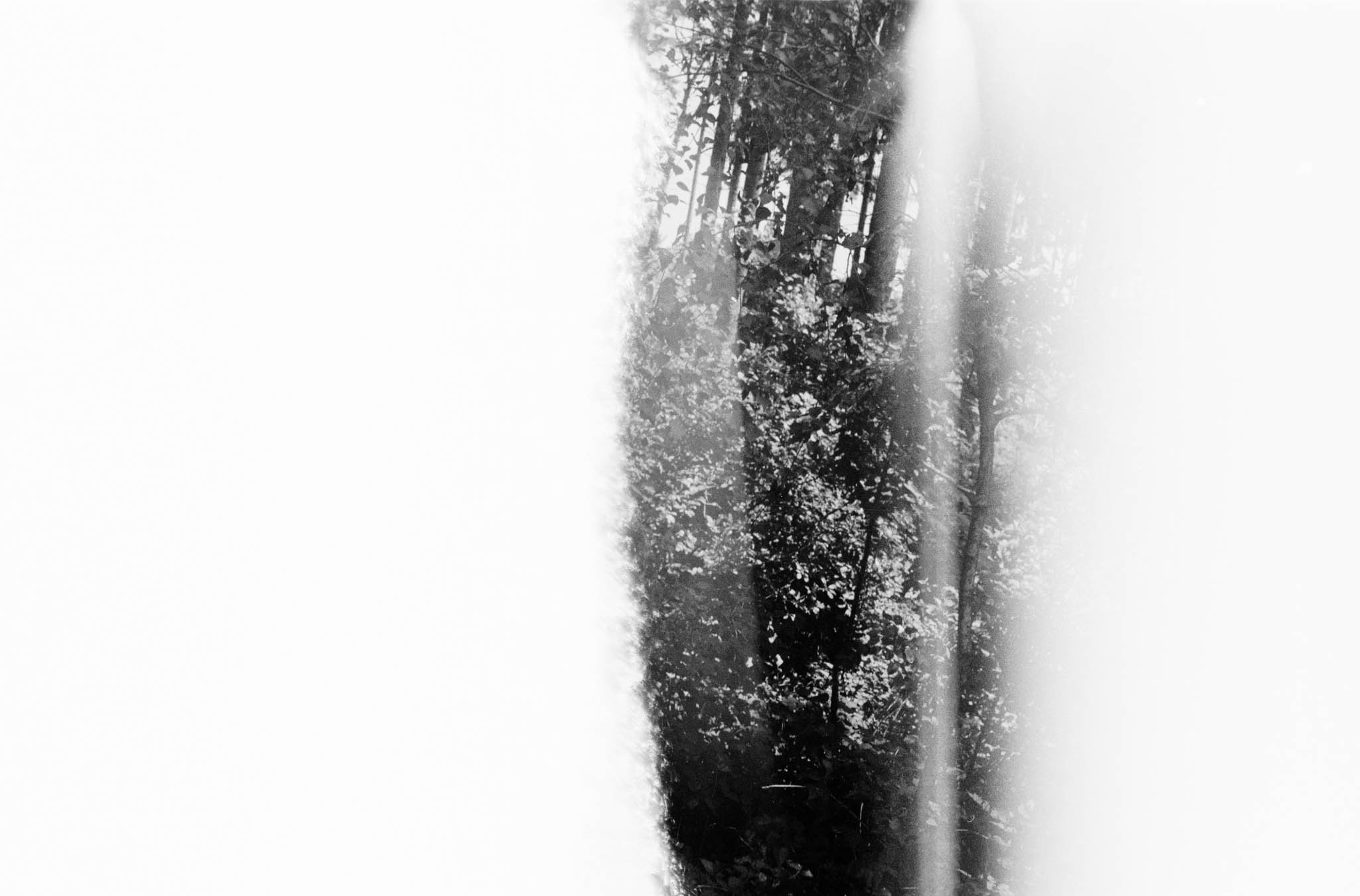
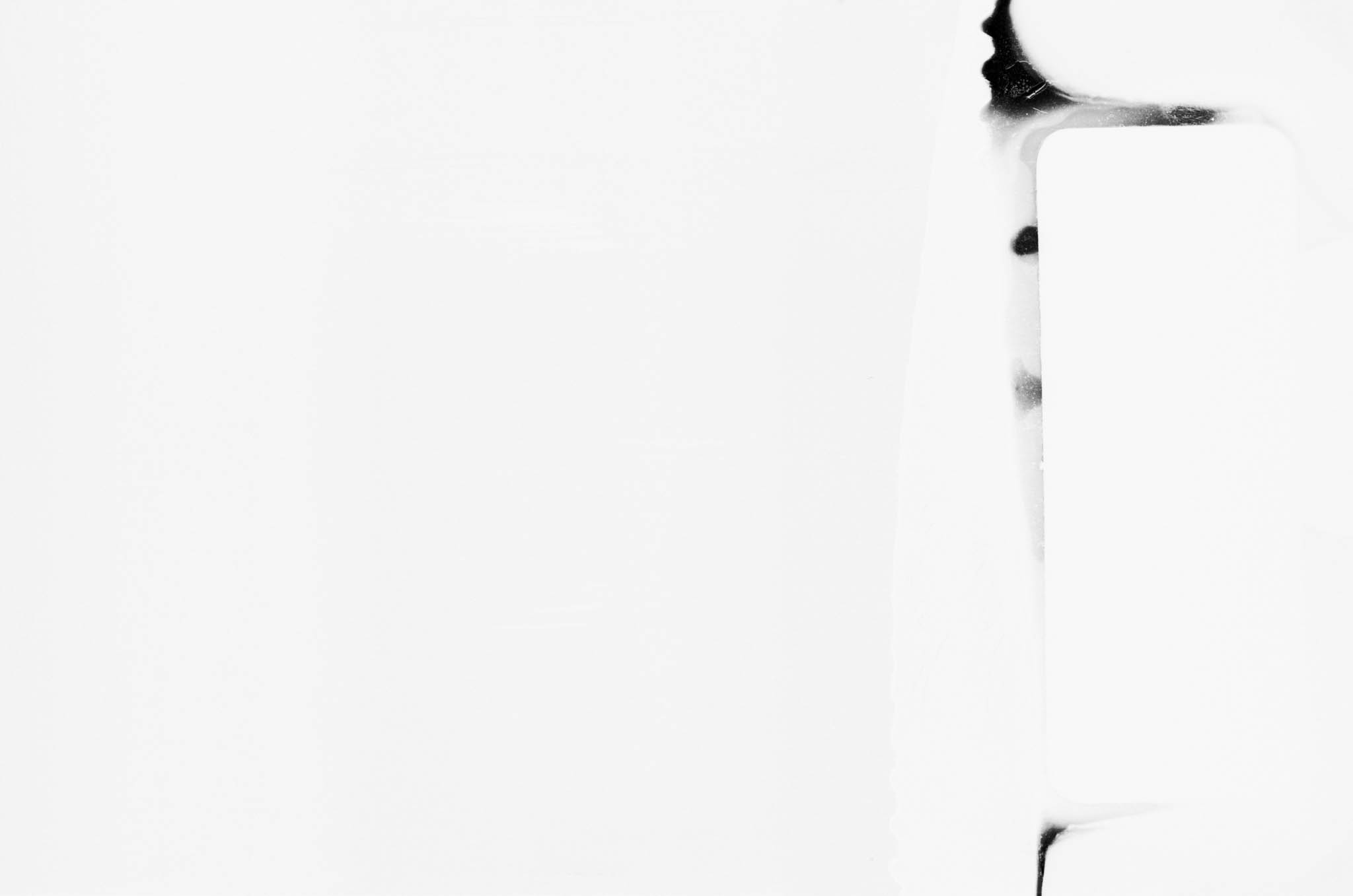
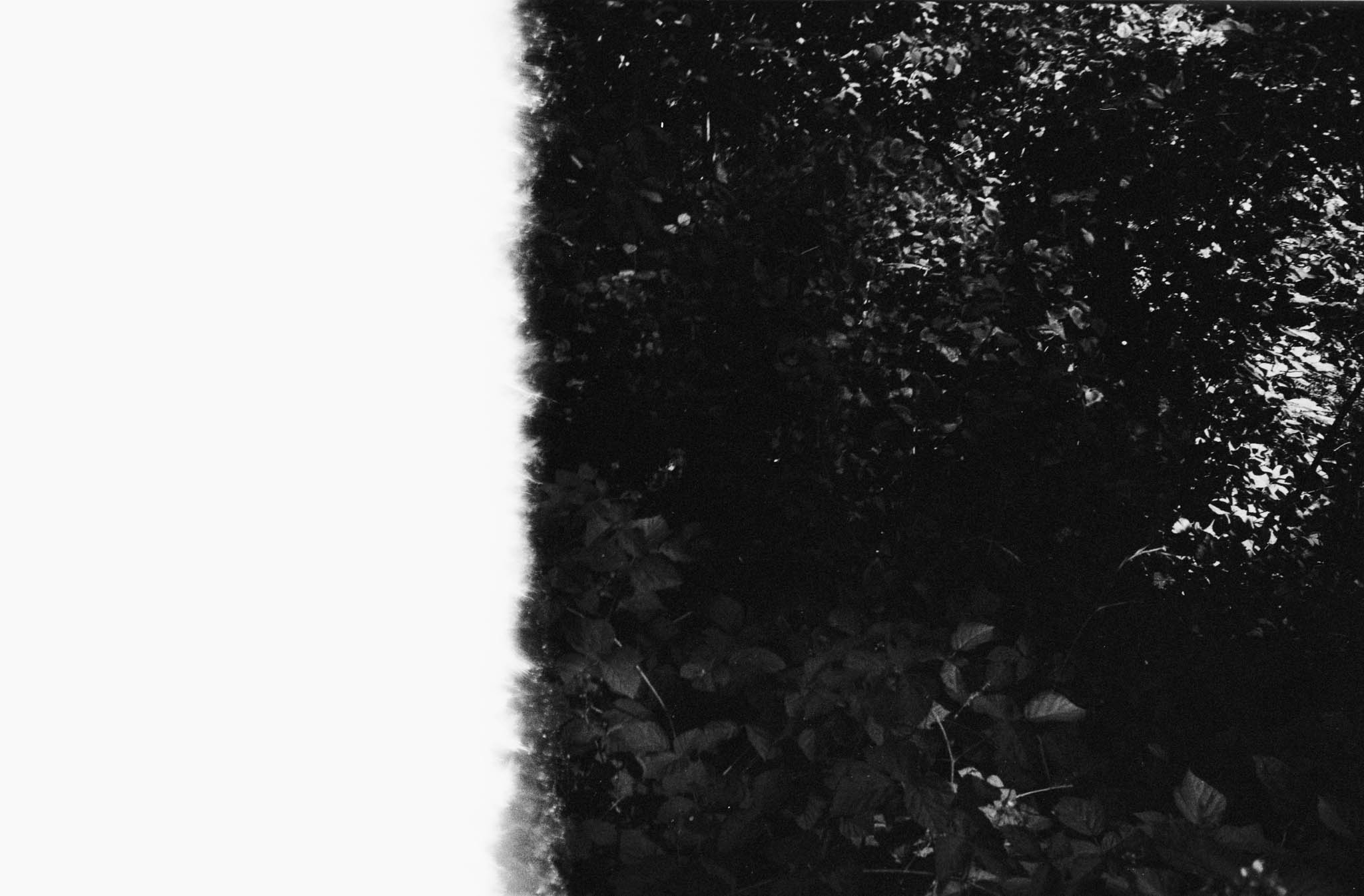
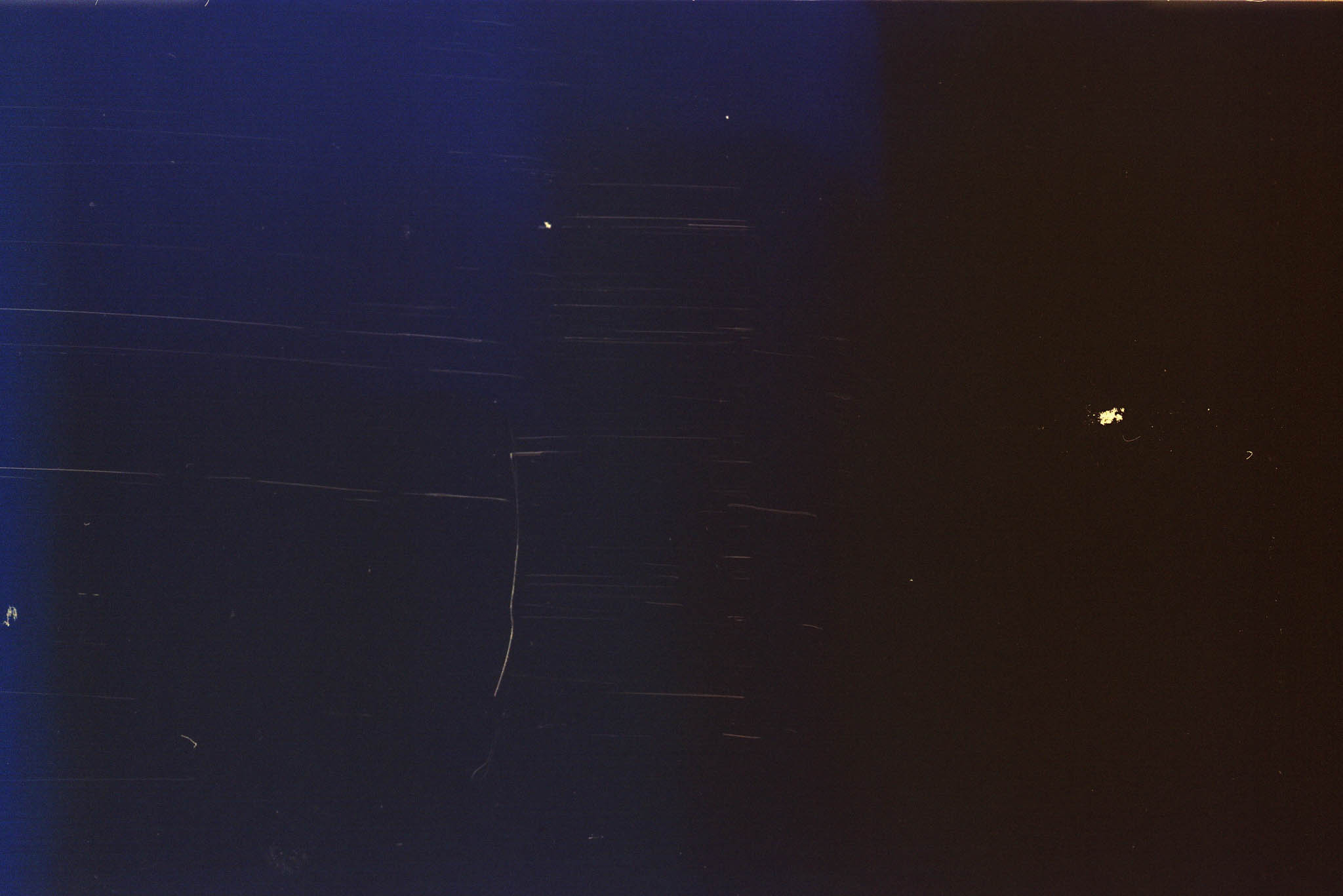
When we shoot analog, we accept a level of unpredictability that simply doesn’t exist in the digital world. And it’s precisely this lack of control that turns so many “failed” frames into something far more interesting than a technically perfect photograph. Recently, while reviewing a set of scans, we came across frames that didn’t show clear scenes at all—just deep blacks, intense gradients, foggy emulsions, and unusual streaks of color. Instead of disappointment, these images sparked curiosity and inspiration.
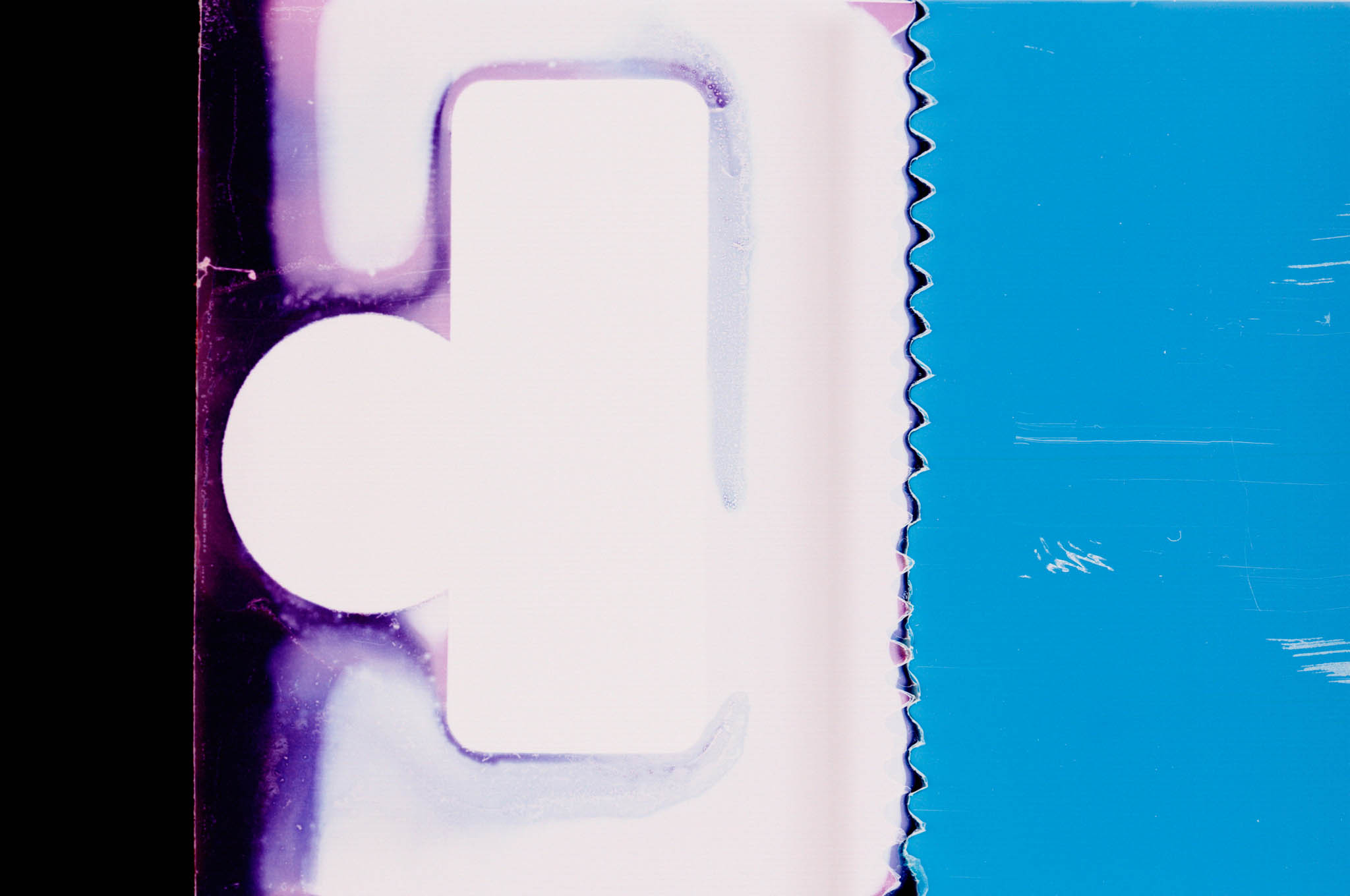
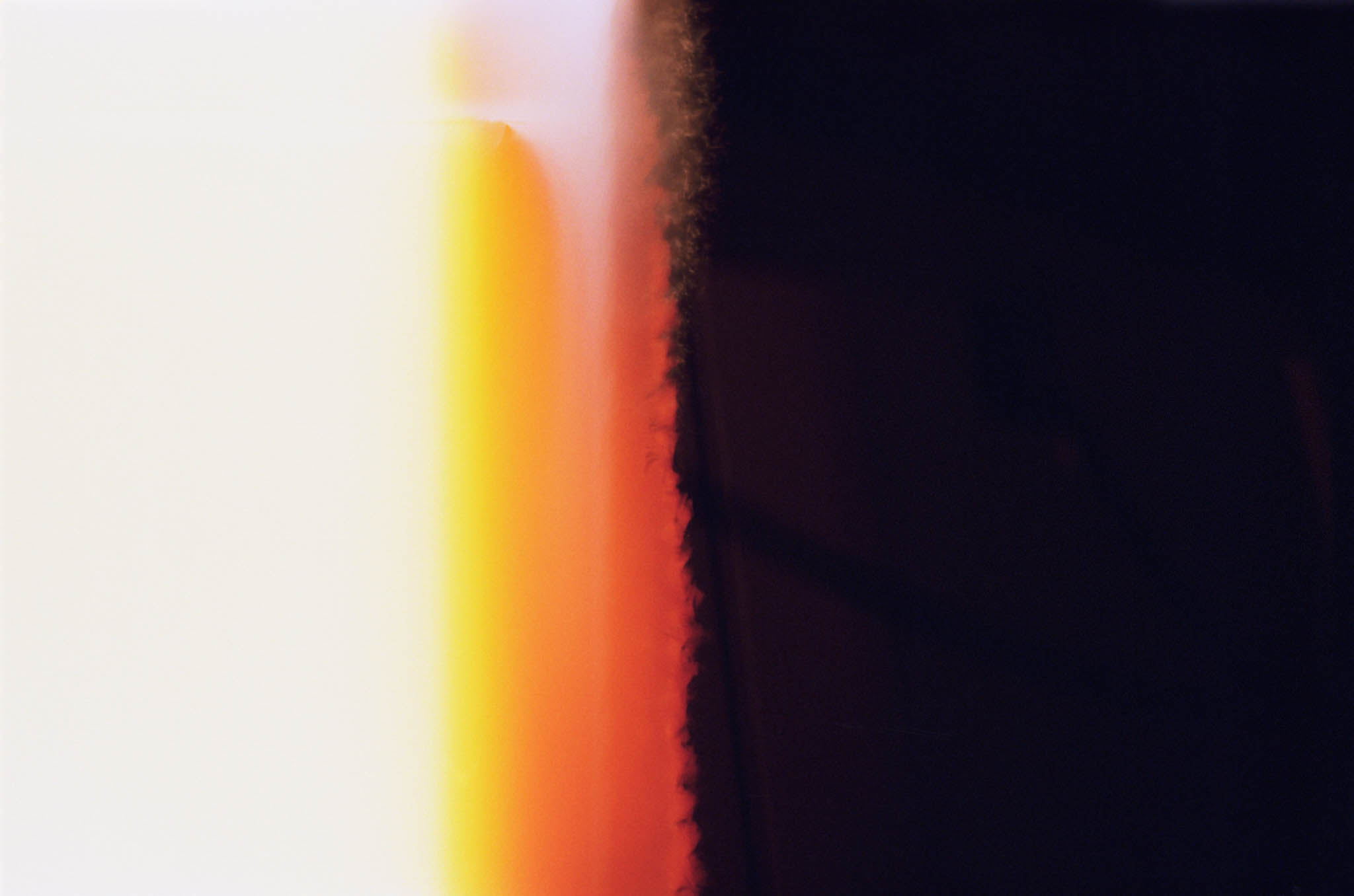
These so-called mistakes reveal what the film has been through. Some frames dissolved into velvety darkness. Others showed bright vertical stripes, caused by tiny moments when the film interacted with light. A few contained soft transitions of color that looked almost like brushstrokes. Grain became texture. Overexposure became energy. Underexposure became mood. Each image felt more like a piece of abstract art than a traditional photograph.
What makes them so compelling is their honesty. Analog film reacts to time, temperature, mechanics, and chance. When something unexpected happens, we see the raw chemistry at work—no filters, no algorithms, no retakes. These frames capture not only a moment but the physical journey of the film itself.
Keeping these images is a reminder that analog photography is a creative partnership between intention and unpredictability. The camera, the film, and the environment all shape the outcome. And when we let go of the need to control every detail, we start to see beauty in results we never planned.
That’s the art in analog mistakes. They push us to look differently, think differently, and appreciate photography not only for what it shows—but also for how it comes to life.




Leave a Reply
You must be logged in to post a comment.