

Discovering the basics of deep-sky astrophotography and learning to capture the night sky
Astrophotography has fascinated me for as long as I can remember. The idea of capturing distant galaxies, glowing nebulae and star clusters always felt magical—yet the traditional path into this hobby seemed overwhelming. Heavy telescopes, precise polar alignment, guiding cameras, hours of exposure time and complex post-processing made it feel like something that required full dedication.
As someone with a demanding job, family and other interests, I always so far did not want to spend the time budget to go “all in.”
Smart Scopes Changed Everything
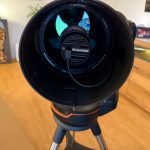
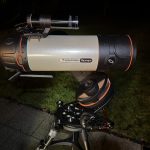
That changed when I discovered modern Smart Scopes—and especially when I bought my first one: the Seestar S30.
This small, portable device suddenly made deep-sky photography accessible. No need for complicated alignment, no heavy mounts, no endless setup routine. Instead, it’s as simple as placing it outside, connecting via app, selecting a target, and watching the image build up live as the S30 stacks frames.
It’s the perfect entry point. I can finally explore the night sky. And yes, I’m already looking at the next bigger scope. This rabbit hole is deep and extremely tempting.
A Completely New World of Photography
What surprised me most is how different astrophotography really is.
Not just new equipment—a new mindset:
- A clean background is not deep black
- Noise behaves differently than in daytime photography
- Exposures last minutes or hours, not fractions of a second
- Images are built from dozens or hundreds of frames
- Post-processing happens in PixInsight, Siril or AstroPixelProcessor, not Lightroom
- What makes a “good image” follows totally different rules
It feels like learning photography all over again—just more technical, more mysterious, and strangely addictive.
I’ve wanted to dive into this world for years. Now, with tools like the S30, that dream is finally becoming reality.
Below are three of my very first deep-sky images. They’re far from perfect, but they represent something much more important: the beginning of a journey I’ve waited years to start.
Gallery – My First Deep-Sky Objects with the Seestar S30
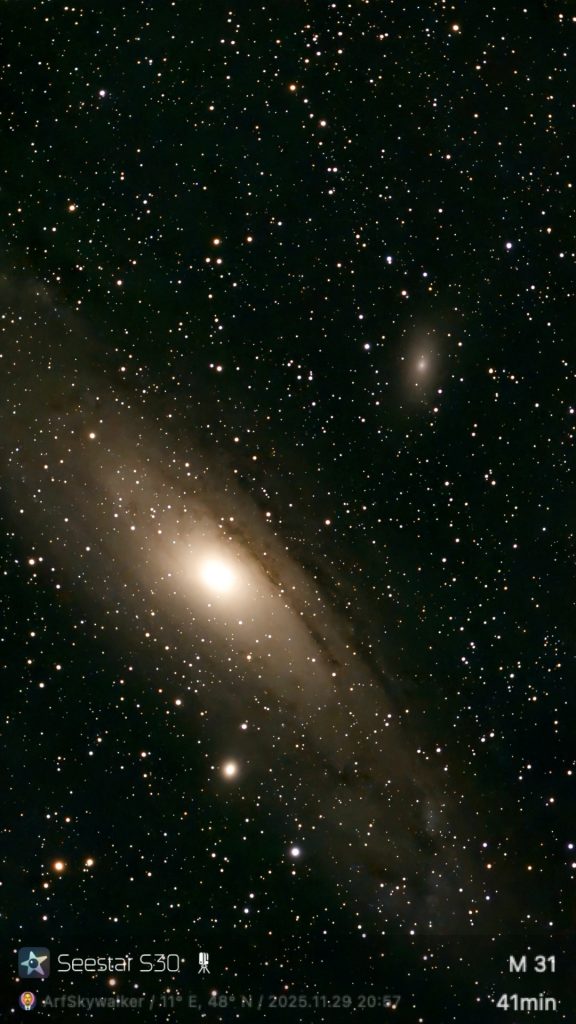
M31 – The Andromeda Galaxy (41 minutes)
This was the first deep-sky object where I really felt the magic of the S30. Watching Andromeda appear on the screen—slowly, frame by frame—was incredible. Even with just 41 minutes of exposure, the galaxy’s bright core, dust lanes and satellite galaxy M110 became clearly visible. For a tiny smart scope, this result absolutely blew me away.
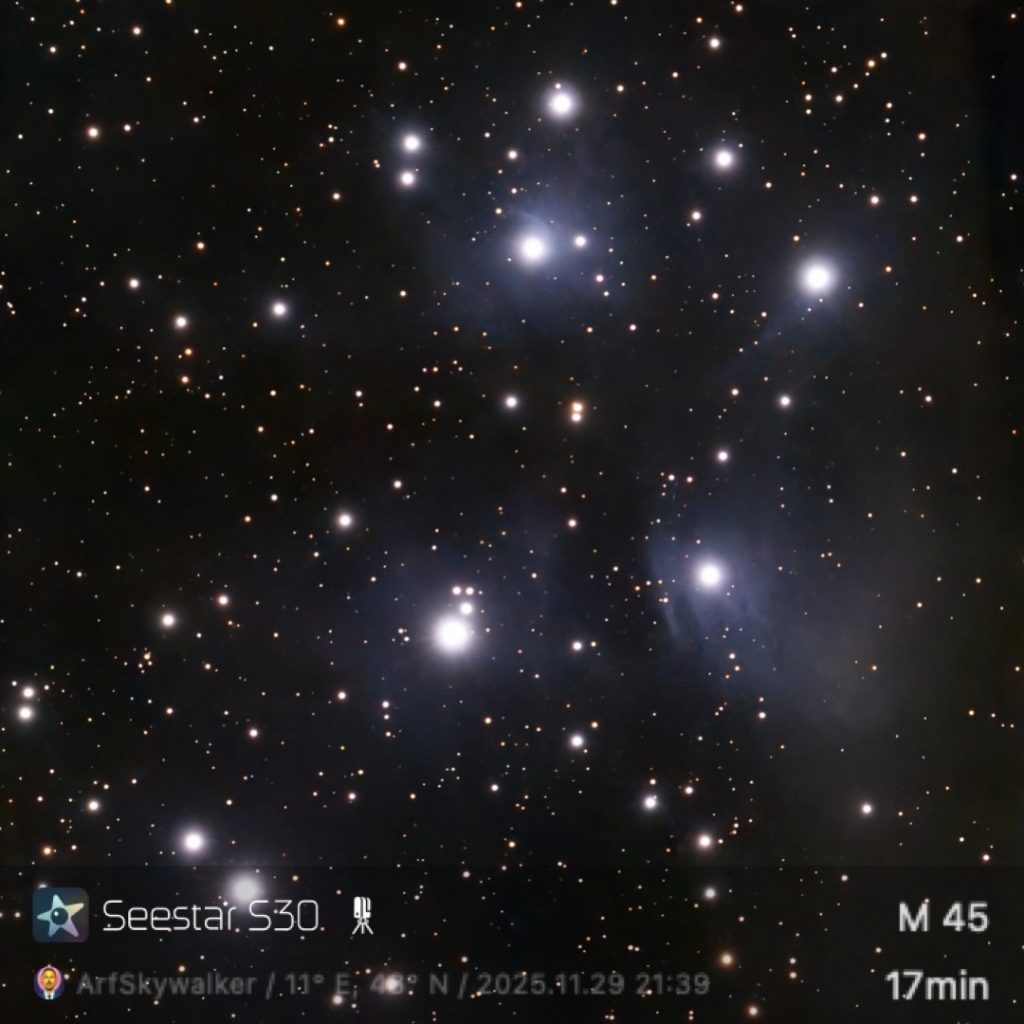
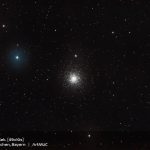
M45 – The Pleiades (17 minutes)
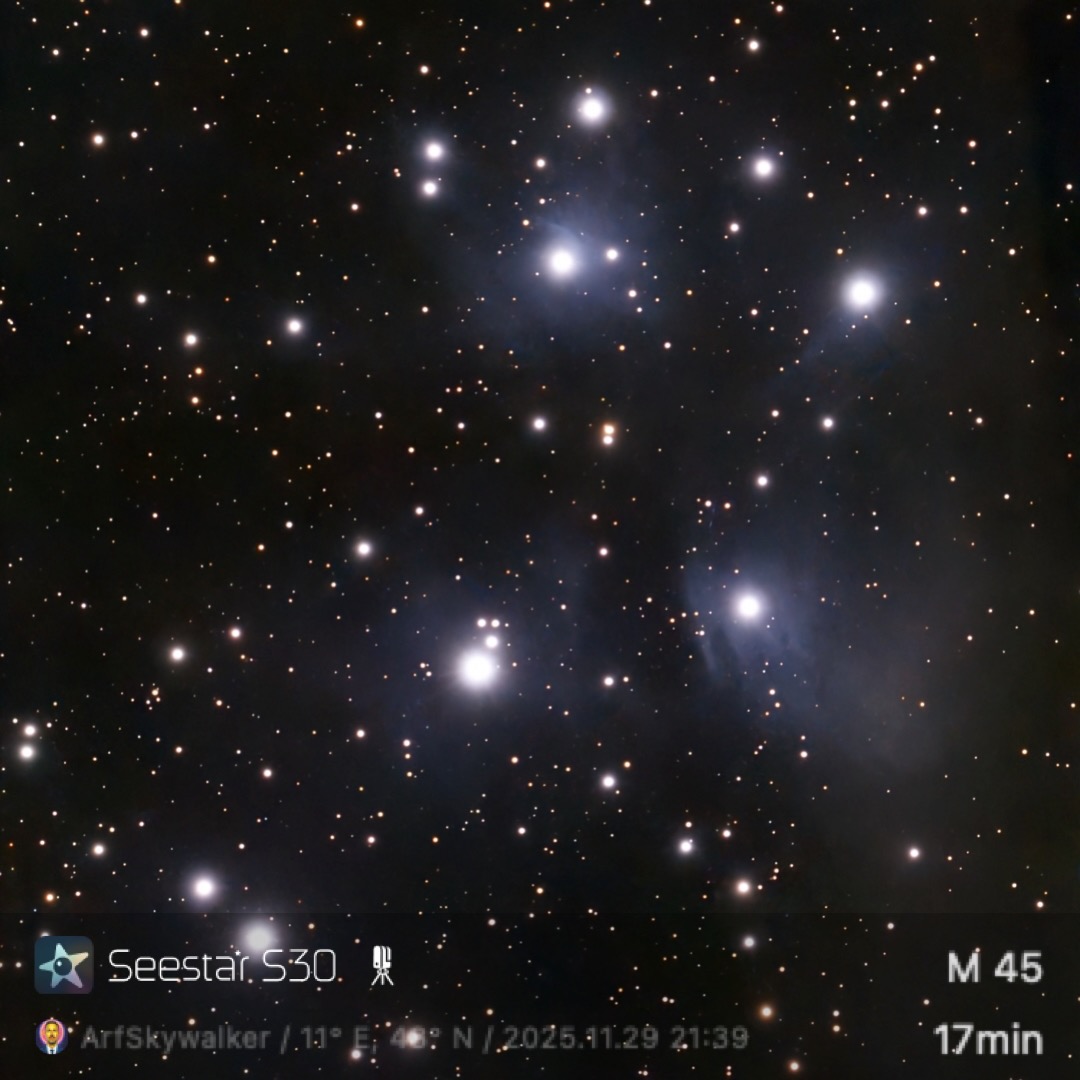
The Pleiades are much harder than they look—those delicate blue reflection nebulae need longer exposure and careful processing. But even with only 17 minutes, the S30 captured the characteristic glow around the stars. This was also the first time I realised how different astrophotography really is: details appear slowly, noise behaves differently, and background gradients are part of the game. A great learning image.
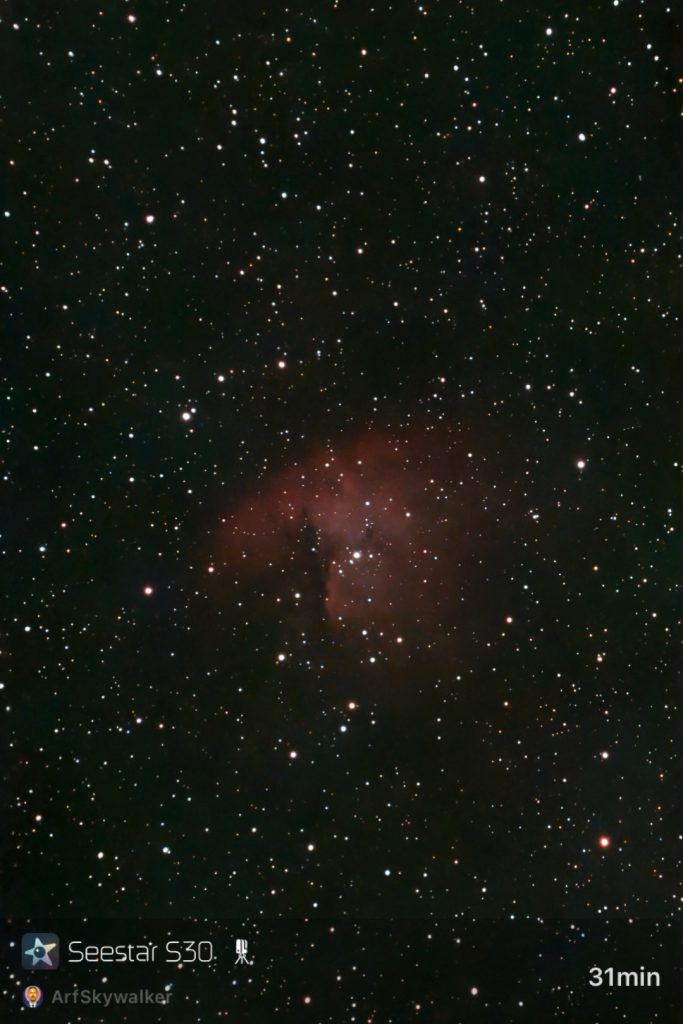
Nebula – First Attempt (31 minutes)
This faint nebula surprised me the most. I didn’t expect the S30 to reveal any structure here, but after half an hour the reddish glow and dark dust shapes emerged clearly. It’s far from perfect and still noisy—but that’s exactly what makes this stage so exciting. I’m exploring new objects, learning new processing techniques, and discovering a whole universe I could never capture before.
The Beginning of a Long-Awaited Adventure
Astrophotography has opened a door I’ve been wanting to walk through for years. The mix of science, technology, photography and pure wonder feels unlike anything else I’ve done before. I’m excited for clear nights, new objects, longer integrations and the moment when everything suddenly “clicks.”
This is just the start.
Let the journey begin!!! 🙂


Leave a Reply
You must be logged in to post a comment.